PUTTING PEOPLE FIRST
Understanding Person-Centered Care and POMS
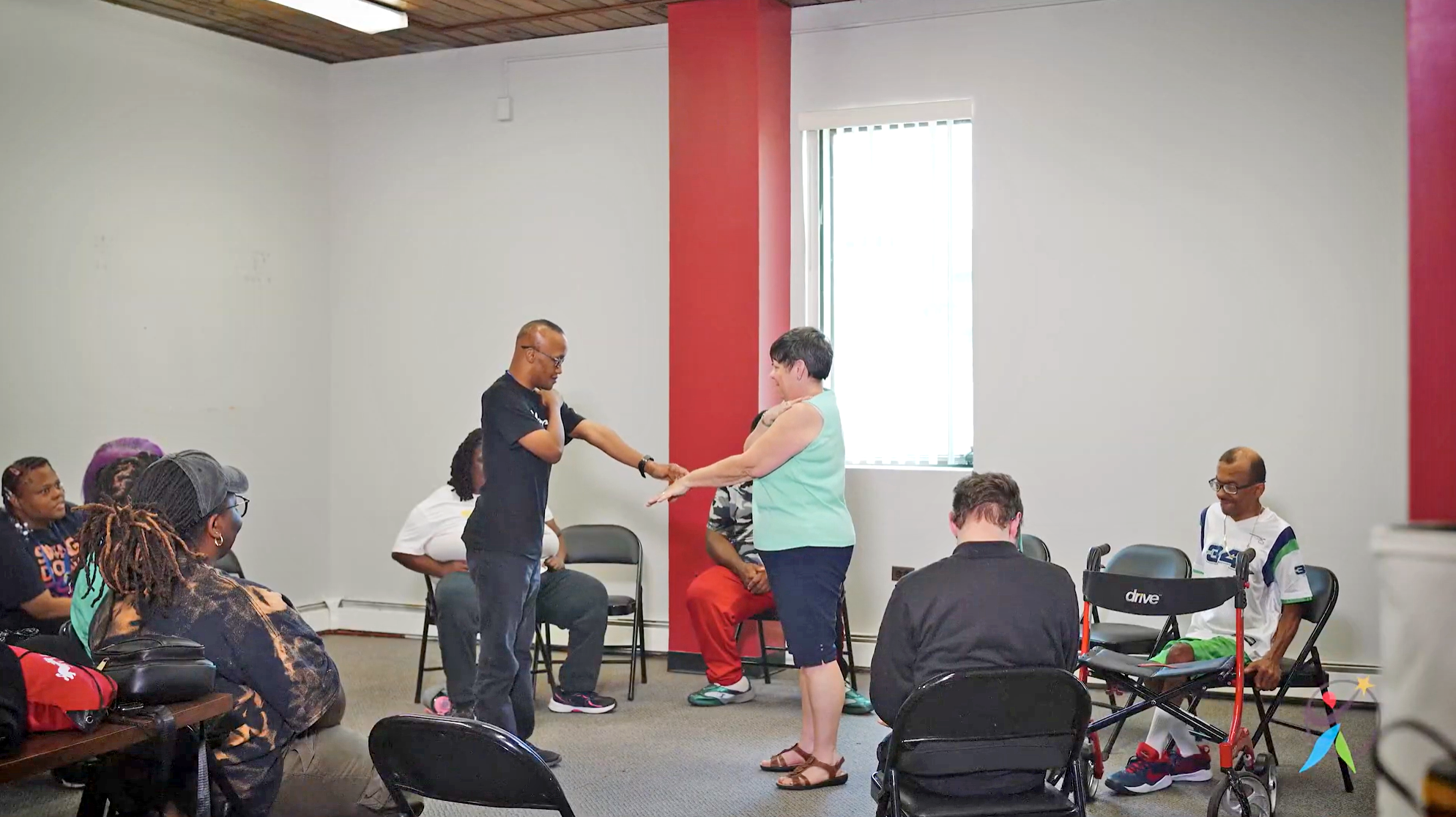
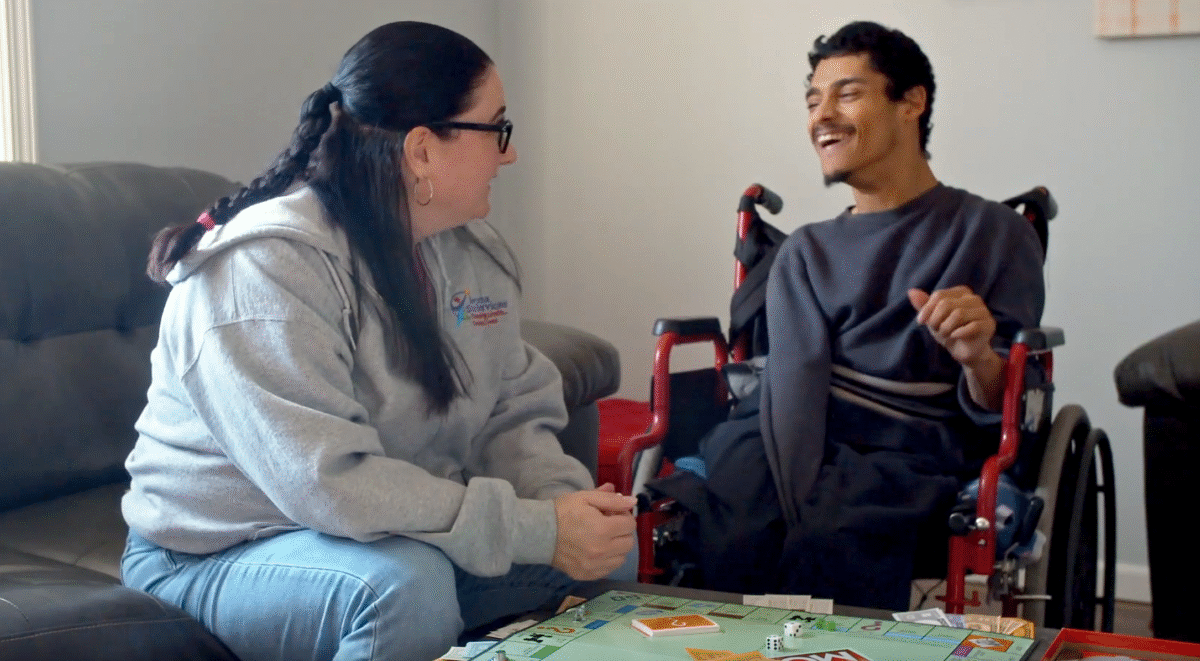
At Sertoma Star Services, we help our consumers lead a life that is meaningful to them. That means working closely with the individual and their support staff to understand their goals. Some people need our support to develop relationships in their community, build skills for increased independence, and explore new opportunities.
This approach is called person-centered care, and it starts with the belief that each person is the expert on their own life. Instead of using a one-size-fits-all model, person-centered care creates a partnership between the individual, their family, and the support team.
“This type of approach puts the consumer in the driver’s seat for all their services and supports,” said Kara Pierce, Vice President of I/DD (Intellectual and Developmental Disabilities) Services. “At the same time, their family, friends, and support staff have a responsibility to advocate for them and ensure that they are working towards the life they want.”
The goal goes beyond providing services. It’s about creating a fulfilling life that includes friendships, meaningful work, and community belonging. The journey starts with the 3 E’s: Education, Experience, and Exposure. The team provides opportunities for the consumer to learn about their wants and needs, giving the individual opportunities to develop new strengths, interests, and goals for their life.
Measuring What Matters: CQL and POMs
To ensure that this approach is more than words, we follow the standards of the Council on Quality and Leadership (CQL). CQL helps organizations measure success from the person’s perspective through tools like Personal Outcome Measures® (POMs).
POMs are interviews that focus on what’s important to and for each person. Instead of checking boxes, they explore whether people are truly achieving their personal goals and living the life they want. CQL also includes Basic Assurances®, which make sure health, safety, and human rights are always protected.
“For families, this means real accountability. You can see that your loved one’s voice is being heard and that their dreams are guiding the supports they receive,” Pierce said. “Person-centered practices ensure that everyone is supported—not just to live, but to thrive.”
Return to Newsletter home page